
Vapor Intrusion Services
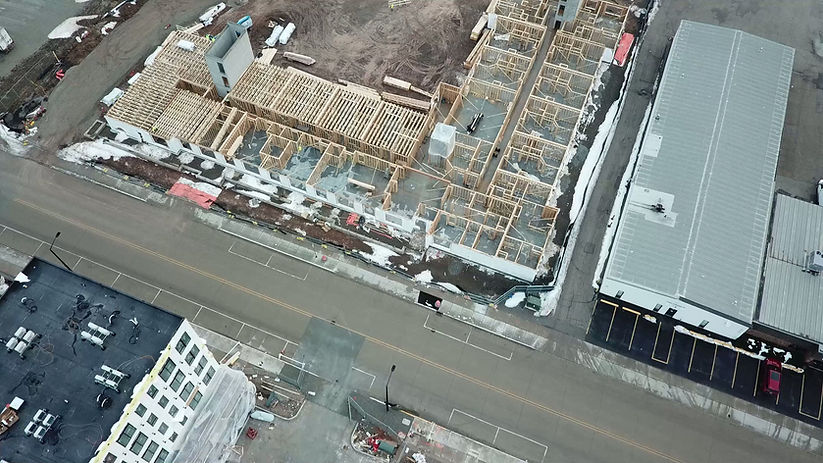
Vapor intrusion assessment and mitigation help address the movement of harmful vapors from the ground into indoor spaces. Our services provide a structured and reliable approach to identifying risks and implementing effective solutions based on site-specific conditions.
We deliver comprehensive vapor intrusion services designed to support safety, regulatory awareness, and informed decision-making for a wide range of properties.
Certified Vapor Intrusion Services
Professional vapor intrusion services play a critical role in protecting indoor air quality. Vapor intrusion occurs when harmful gases migrate from the soil or groundwater into a building through foundations, cracks, or utility openings. Our certified professionals assess site conditions and implement proven mitigation strategies designed to control vapor movement and improve indoor environments. Each solution is developed with safety, performance, and regulatory awareness in mind.
.webp)
.webp)
.webp)
Breathe Easy With Vapor Intrusion Services
Effective vapor intrusion mitigation helps prevent harmful vapors from entering occupied spaces. By identifying potential entry pathways and applying customized mitigation and ventilation strategies, indoor air quality can be significantly improved.
Our approach focuses on long-term protection by managing subsurface conditions and reducing vapor buildup before it impacts indoor spaces. These measures help create healthier, safer environments while supporting compliance and peace of mind for building occupants.

Why Choose Us
We provide reliable, professional sanitization and indoor air quality solutions backed by experience, advanced technology, and consistent results. Our team is committed to delivering safe, effective services that create healthier environments from start to finish.
Family Owned & Local
Locally trusted team offering honest pricing, reliable service, and strong commitment to the community.
Service Guarantee
Your space is treated with proven, high-quality sanitization methods for safe and long-lasting protection.
What You Can Expect
Best-in-class sanitization performance
Customized solutions for every space
Transparent, affordable pricing
Certified and trained professionals
Friendly, punctual service
.png)
Vapor Intrusion FAQs
Here are our most frequent questions for builders. Feel free to reach out for more.
Certifications & Affiliations
We are fully certified and accredited by national environmental health organizations, specializing in advanced indoor air quality and clinical-grade sanitization.



What is vapor Intrusion?
Vapor intrusion occurs when chemical vapors migrate from contaminated soil or groundwater into a building. These vapors can enter through openings in foundations such as cracks in concrete slabs, gaps around utility lines, sumps, or basement walls. Because concrete is naturally porous, vapors may also pass directly through it.
Once inside, these vapors can accumulate in indoor air and be inhaled by occupants, potentially causing short-term or long-term health risks. In rare cases, certain vapors—such as gasoline or methane—can build up to levels that pose explosion hazards.
How Does Vapor Intrusion Occur?
Vapor intrusion mitigation strategies are generally classified as passive or active. Passive methods focus on blocking vapors from entering a building, while active methods actively control pressure beneath the structure to prevent vapors from migrating indoors.
Passive Vapor Intrusion Mitigation Methods

Sealing Entry Points
-
This involves sealing cracks in floor slabs and foundation walls, as well as gaps around pipes and utility penetrations. In buildings with exposed soil, concrete may be poured over unfinished dirt floors to reduce vapor entry.
Vapor Barrier (Membrane) Installation
-
Vapor barriers are impermeable membranes installed beneath concrete slabs or over exposed soil in crawl spaces. These barriers act as a physical block that limits vapor migration into the building. Depending on site conditions, membranes may be installed during new construction or retrofitted in existing structures.
Passive Venting
-
Passive venting systems include a venting layer installed beneath the slab or flooring and connected to vertical piping that exits above the roofline. Using natural air movement (the “stack effect”), vapors are drawn from beneath the building and released safely into the outdoor air.
-
Passive systems can be designed so they may later be upgraded to active systems if additional control is needed.
Active Vapor Intrusion Mitigation Methods
Sub-Slab Depressurization
-
This method involves creating a suction point beneath the concrete slab and connecting it to a fan and vent piping that exhausts vapors above the roofline. The system creates negative pressure beneath the slab, drawing vapors away before they can enter the building.
Sub-Membrane Depressurization
-
For crawl spaces or buildings with exposed soil, a vapor membrane is first installed over the ground. A fan is then connected to the space beneath the membrane, creating negative pressure that pulls vapors toward the vent system and safely exhausts them outdoors.
Sources of Vapor Intrusion
Vapor intrusion can occur when chemicals released into the soil or groundwater evaporate and migrate upward. These contaminants may originate from sources such as industrial facilities, fuel spills, underground storage tanks, landfills, or dry-cleaning operations.
Not all buildings in the same area are affected equally—vapor intrusion can vary significantly even between neighboring properties. While vapor intrusion is relatively uncommon, it should be evaluated whenever known soil or groundwater contamination exists nearby.
What Chemicals May Be Involved?
Many vapor intrusion cases involve volatile organic compounds (VOCs)—chemicals that readily evaporate and move through soil. Common VOCs include gasoline components, dry-cleaning solvents, and industrial chemicals.
It’s important to note that VOCs may also come from everyday household products such as paints, solvents, air fresheners, cleaning supplies, fuels, new furniture, or cigarette smoke. These indoor sources are often more common contributors to VOCs than vapor intrusion itself.
Potential Health Effects
Health effects vary depending on the chemical, exposure level, and individual sensitivity. Short-term exposure at higher concentrations may cause symptoms such as eye or respiratory irritation, headaches, or nausea, which typically improve once exposure stops.
Some VOCs are associated with long-term health risks, including cancer. Prolonged exposure to low levels over many years may increase lifetime health risks, which is why evaluation and mitigation are important when vapor intrusion is suspected.
What to Expect If Vapor Intrusion Is a Concern
If your property is located near a site with known contamination—such as a gas station, industrial facility, or dry cleaner—vapor intrusion may be evaluated as part of an environmental investigation. You may be contacted by environmental professionals or site representatives regarding potential testing.
Testing is always conducted with your knowledge and consent, and you are encouraged to ask questions about the scope, purpose, and findings of any investigation.
How Vapor Intrusion Is Investigated
Vapor intrusion is typically evaluated through a combination of soil gas sampling, groundwater testing, sub-slab sampling, and indoor air sampling. Because many VOCs can originate from household products, results are carefully analyzed to determine whether contaminants are coming from subsurface sources.
Sub-slab samples are often compared with indoor air samples to assess whether vapors beneath the building are contributing to indoor air conditions.
What Happens If Vapor Intrusion Is Confirmed?
If vapor intrusion is found to impact indoor air quality, mitigation systems—such as sub-slab depressurization—are commonly installed. These systems prevent vapors from entering the building by venting them safely outdoors.
Mitigation systems typically use minimal electricity and do not significantly affect heating or cooling efficiency. In some cases, the party responsible for environmental cleanup may cover mitigation costs. Once contamination is fully addressed, long-term mitigation systems may no longer be necessary.
Secure the peace of mind you deserve
Professional indoor air quality services help protect people, properties, and workplaces. Our experienced team delivers reliable solutions designed to support safety, accuracy, and long-term confidence. Take the next step toward a healthier indoor environment with services you can trust.